Adelaide Aquatic Centre: Setting a New Benchmark for Aquatic Infrastructure
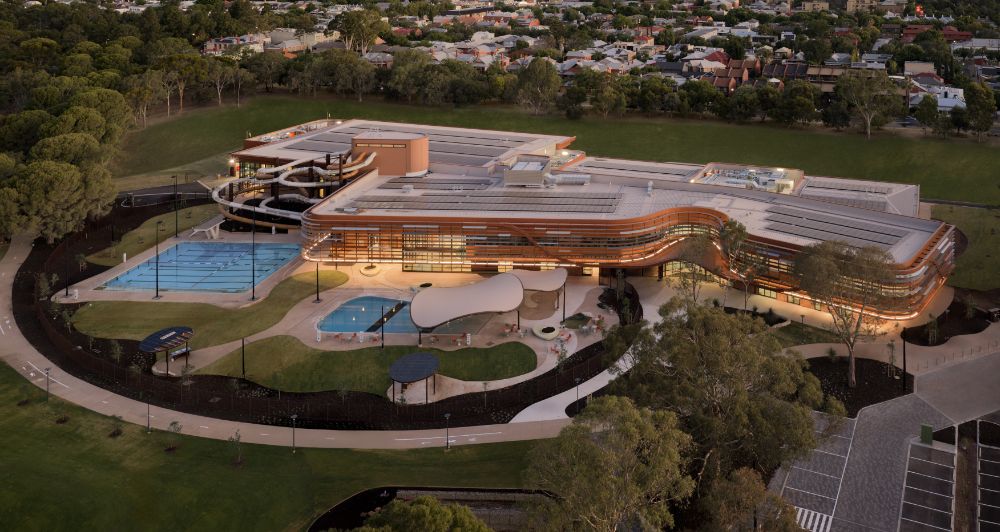
The completion of the Adelaide Aquatic Centre marks a defining moment for South Australia’s public infrastructure landscape, an investment in long-term community wellbeing, accessibility and sustainable design, delivered through a highly coordinated and technically demanding process. For MLEI, the project represents the strength of a specialist team working collectively to bring clarity, consistency and technical rigour to a complex and evolving delivery environment.
At its core, the Centre is a multi-layered aquatic facility comprising eight distinct water environments, from a 50-metre indoor competition pool to outdoor leisure and lap pools, rehabilitation and learn-to-swim facilities, and family-focused waterplay zones. Each element carries its own engineering demands, but it is their integration into a single, high-performing system that defines the project. MLEI’s role spanned structural pool shell design, hydraulic systems, filtration and water treatment disciplines that must operate seamlessly together to ensure performance, safety and longevity.
Our Approach and Technical Leadership
The delivery environment required a level of adaptability not typically encountered in aquatic infrastructure. Early works commenced while aspects of the architectural design were still evolving, placing heightened importance on coordination across structural, hydraulic and building interfaces. The pool shells, functioning as both structural elements and integral components of the hydraulic system, required precise alignment with embedded services, wet deck guttering systems and waterproofing methodologies. These decisions were not isolated; they influenced construction sequencing, long-term durability and operational performance.
Balancing program, budget and quality outcomes remained a constant focus. With cost pressures emerging early, the project team was required to identify efficient, practical solutions without compromising the overall vision. This demanded a disciplined and highly collaborative approach across all stakeholders.
Key Challenges
Navigating this environment required not just technical capability, but a coordinated leadership approach across disciplines. The MLEI’s team contribution was shaped by our highly experienced team, bringing together deep technical capability across aquatic design, hydraulics and structural integration.
Under the leadership of Neil Davey and Serhan Halil, supported by technical lead Carmine Perrotta and the broader team including Dave Love, Goh Hoo and Joseph Whelan, the MLEI Sports + Recreation team worked collectively to navigate both the technical and delivery complexities of the project.
This was complemented by the leadership of Senior Project Manager Terry Kildea, whose role in maintaining clear communication and program alignment across the broader project team was critical as delivery progressed at pace.
MLEI’s approach was underpinned by a focused, specialist team structure that enabled agility without compromising detail. Direct and continuous communication with the builder, architect and engineering partners ensured that challenges were addressed early and collectively, maintaining both quality and momentum throughout delivery.
Innovation
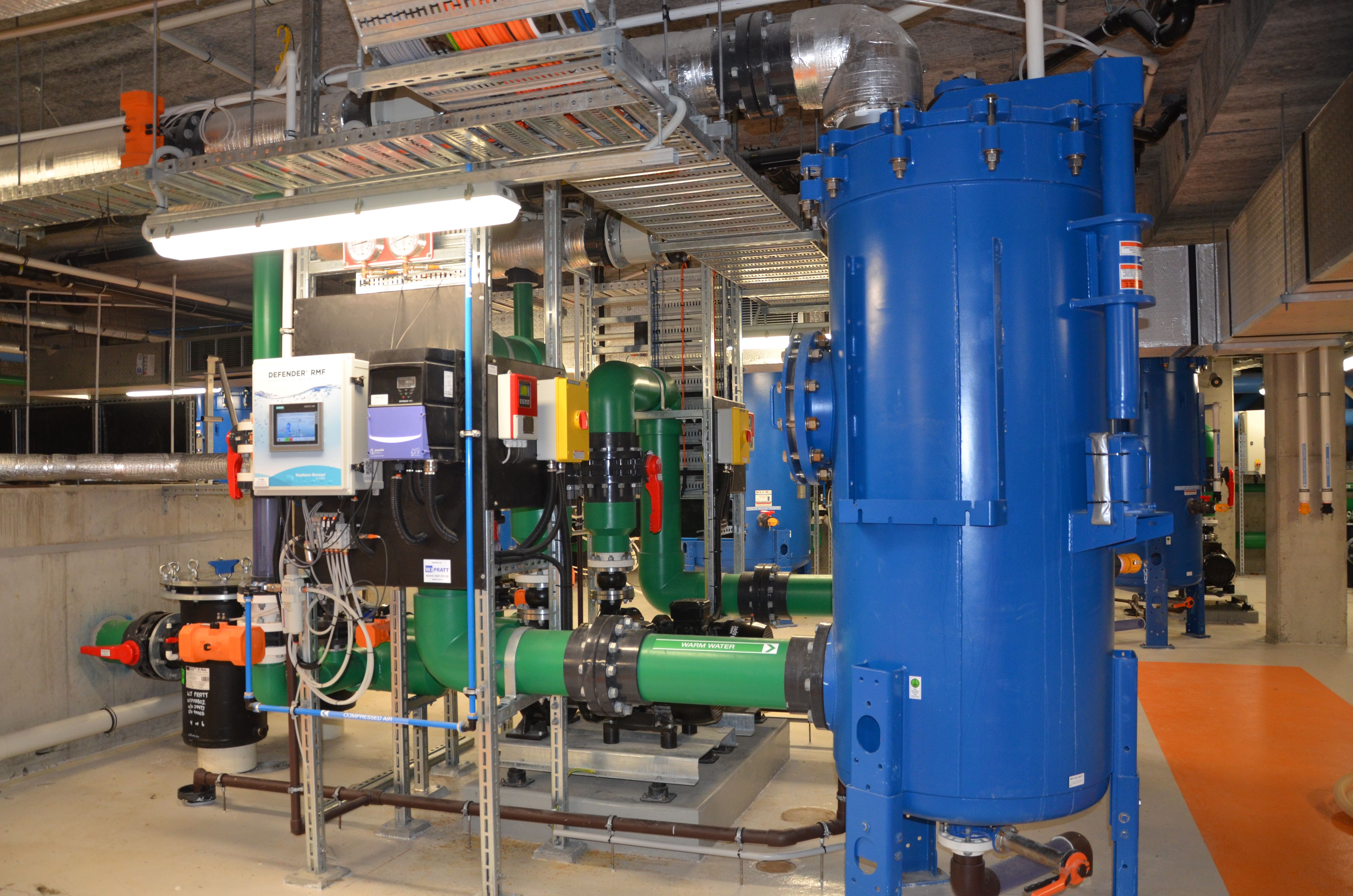
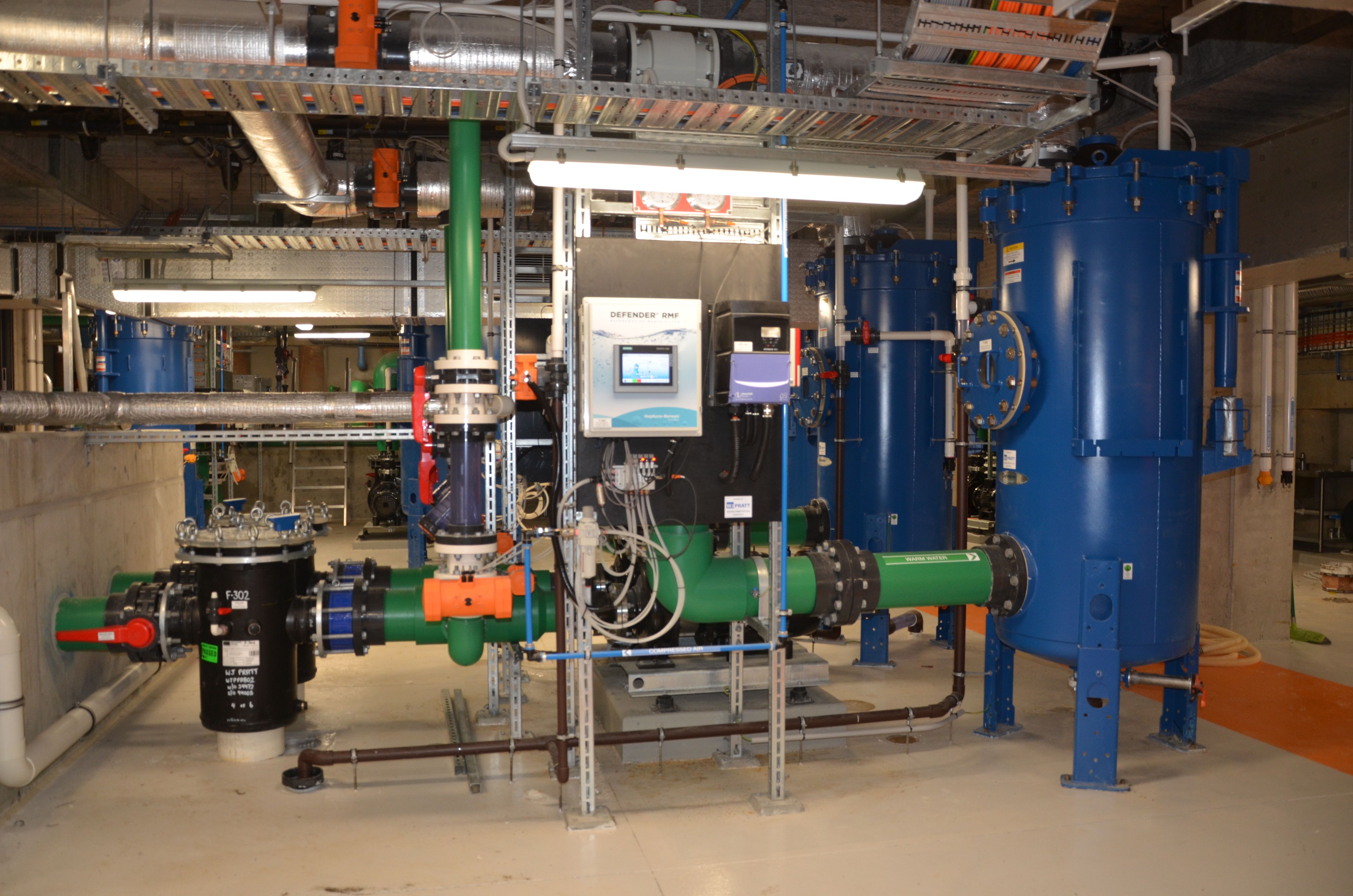
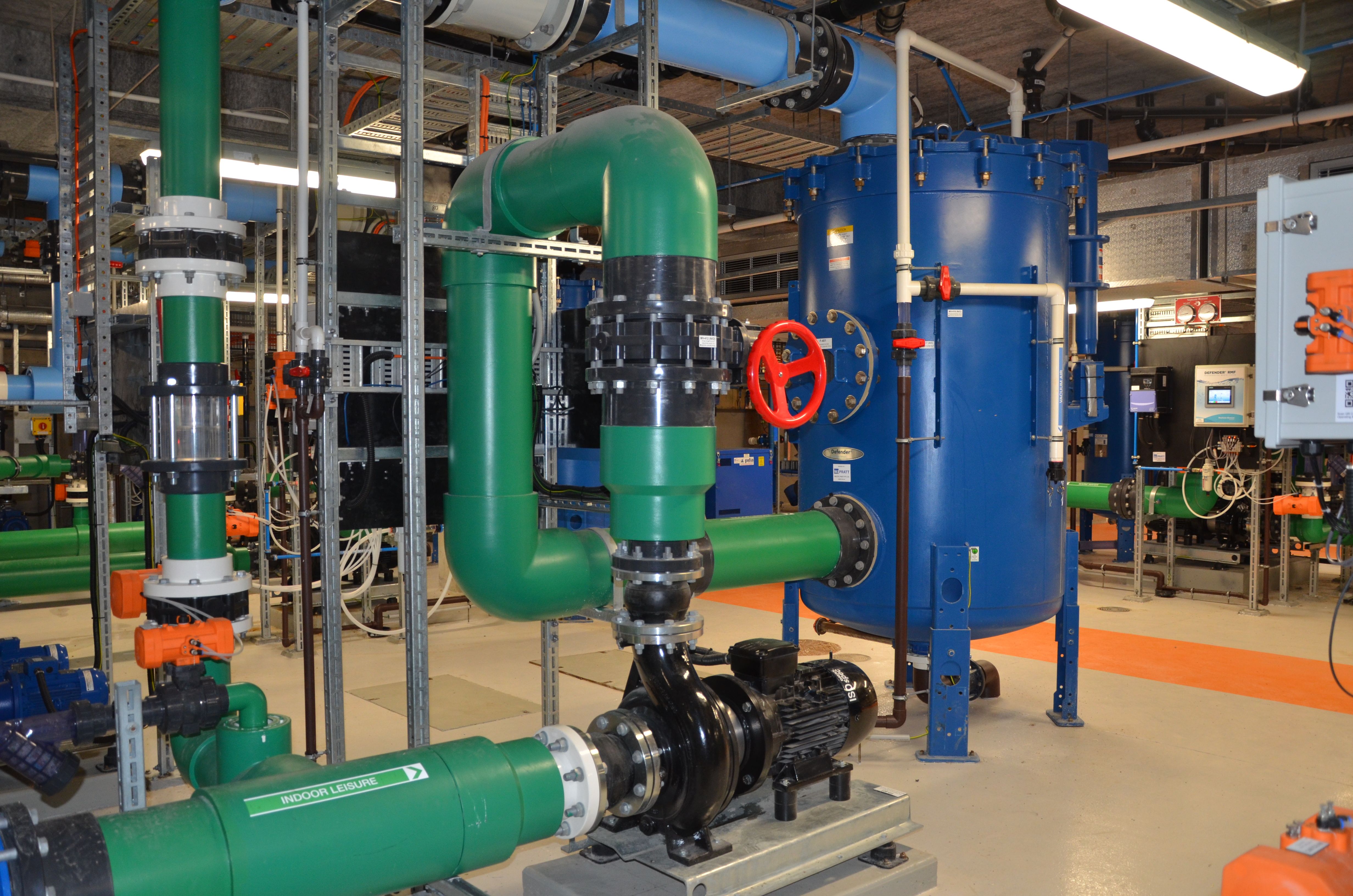
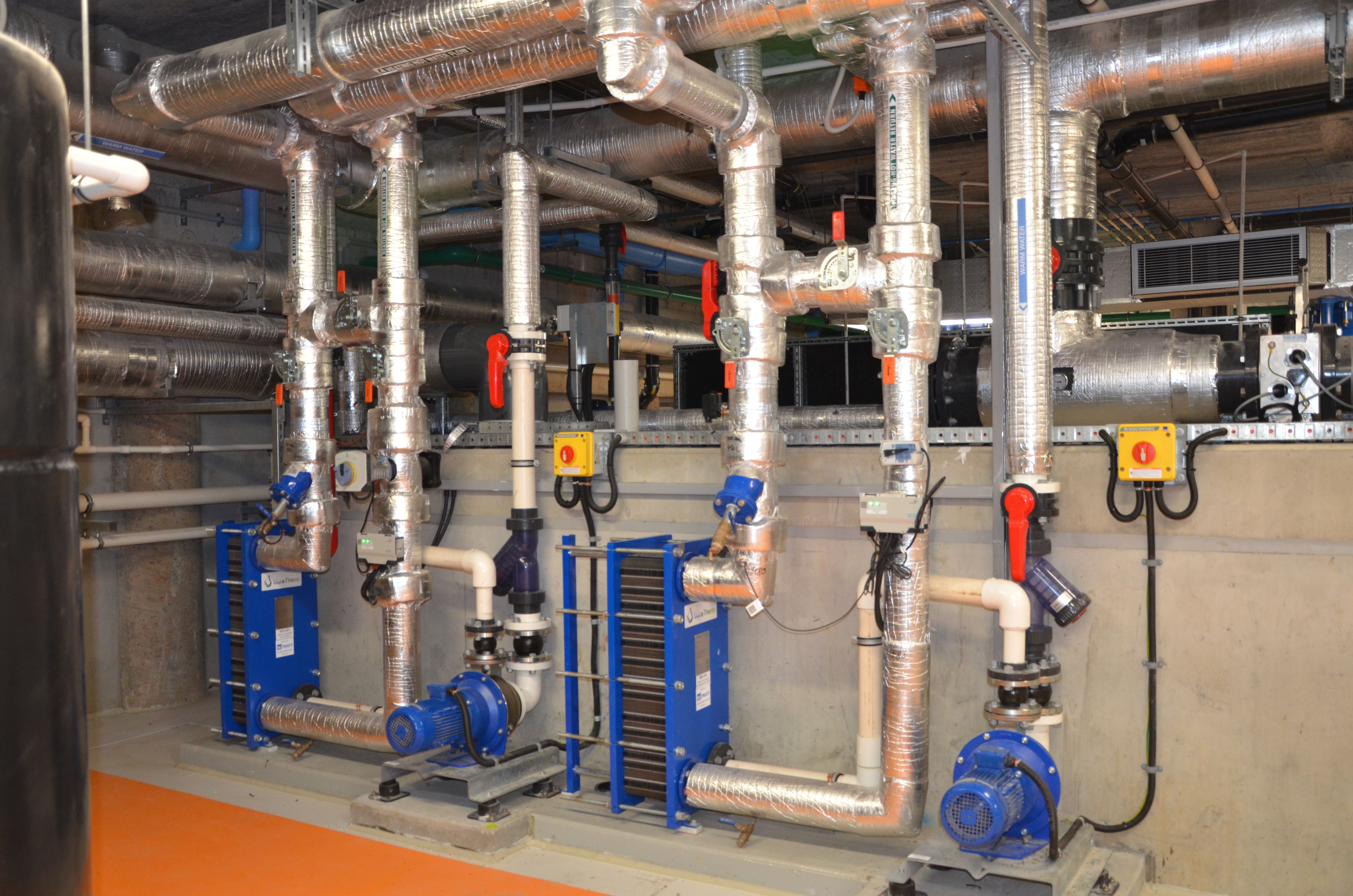
From a technical perspective, the project incorporates a number of forward-looking solutions that position the Centre as a benchmark for aquatic facilities. The filtration system, utilising advanced media technology, is capable of removing particles down to approximately one micron, significantly enhancing water quality and public health outcomes. This is supported by a dual sanitisation approach, combining chlorine gas treatment with UV systems to provide a robust and reliable process.
Strategic decisions were made to improve operational efficiency, including the selection of more user-friendly pH control chemicals contributing to safer handling and reduced long-term costs.
The integration of hydraulic systems within the concrete pool shells represents another key design outcome. By coordinating pipework, guttering and structural elements as a unified system, the design supports both performance and durability. Waterproofing and tiling methodologies were approached with the same level of rigour, recognising their importance in protecting the asset over its lifecycle.
Measurable Results
Sustainability is embedded throughout the facility, most notably through its operation on 100% certified renewable energy. Engineering decisions were guided by a whole-of-life perspective, balancing upfront investment with long-term efficiency, resilience and maintainability. These considerations extend beyond energy to include water quality management, chemical handling and system resilience, ensuring the Centre delivers ongoing value.
Cultural awareness also informed the project, with consideration given to Kaurna heritage and connection to place. This contributes to a facility that is not only technically accomplished, but also respectful of its context and inclusive in its design intent.
The impact of the Adelaide Aquatic Centre is already being realised. Strong community uptake, from memberships to program participation, reflects the importance of the facility as a social and recreational hub. More broadly, it demonstrates how complex public infrastructure can be delivered efficiently while maintaining a high standard of quality and user experience.
MLEI played a pivotal role in the Adelaide Aquatic Centre redevelopment. Their team consistently provided expert technical advice throughout the project, and particularly in collaboration with our Aquatics contractor during the demanding and time-sensitive value management phase, helping the project meet critical milestones and maintain forward momentum. Their ongoing support throughout construction, spanning quality assurance and constructability engineering, was instrumental in the successful delivery of this landmark $135 million, state-of-the-art facility. Benchmarking against similar projects nationwide, the Centre was delivered in record time.
Terry Kildea – Senior Project Manager – Sarah Constructions
Project Takeaways
This project reinforces the evolving nature of delivery across complex infrastructure. As design and construction increasingly overlap, the need for confident, timely decision-making across all disciplines becomes critical. It highlights an opportunity for the industry to continue strengthening capability, accountability and integration between design and delivery teams.
For MLEI, the experience reinforced the value of collective leadership, where outcomes are not driven by individuals alone, but by aligned teams bringing clarity, communication and technical depth to every stage of the project. Early engagement, consistent coordination and strong relationships remain fundamental to successfully delivering projects of this scale and complexity.
For MLEI, the Adelaide Aquatic Centre reflects the value of specialist consultancy engineering delivered through collective leadership and deep technical integration. The project stands as a benchmark for future aquatic infrastructure—demonstrating how coordinated expertise, early engagement and disciplined decision-making create enduring public assets.